
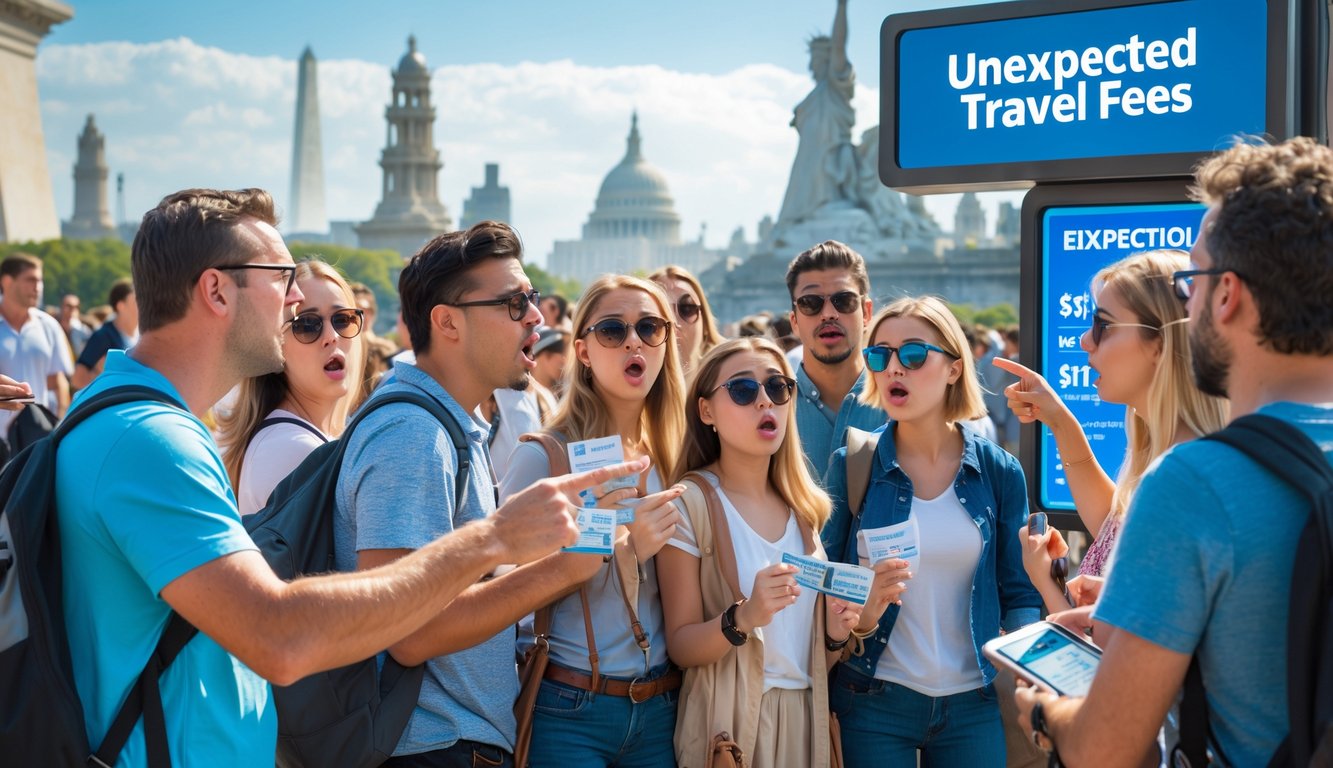
Historical Sites and Sustainable Travel Choices
Why do so many people take selfies under ancient arches without reading the plaques? Maybe they’re checking the ticket breakdown, not the history. Priorities, I guess. I keep seeing crowds trample sites older than their airline, nobody noticing.
Respecting Heritage Sites
Is there a rule against climbing medieval walls for TikTok? Sometimes, but nobody enforces it. Saw a Rome tour group once—Coliseum tickets in hand—shuffle through ancient halls while the guide read trivia like a robot, ignoring ropes completely.
World Travel & Tourism Council says heritage tourism is nearly 40% of all travel. That’s thousands of feet grinding 2,100-year-old stones every day. UNESCO sites aren’t just “pretty backgrounds”—they’re fragile and overloaded, as Amsterdam’s 2024 stats prove (hotel prices up, trash triples, nobody seems to care). If you want to see real conservation, ask staff about restoration budgets or visit off-hours. Structures closed for repairs? That’s not just bad luck—it’s proof overtourism is real, not just a buzzword.
Ethical Considerations for Travelers
Honestly, does anyone out there actually know what “carrying capacity” means, or is it just me googling it after the fact? Like, I get the basics—you wouldn’t shove a suitcase the size of a refrigerator into an overhead bin, but then suddenly everyone’s okay with packing a thousand people into a temple that’s clearly not built for that? Wild. And ethical travel, ugh, it’s not just about refusing straws or whatever. I try to buy tickets online for off-peak hours, maybe even join a tiny group tour (less trampling, right?), but sometimes it feels like a drop in the bucket. Local guides will tell you your entry fee “supports restoration,” but when I ask for actual receipts or breakdowns, suddenly there’s this “administrative surcharge” nobody can explain. I mean, what even is that?
Supposedly, if you believe the International Council on Monuments and Sites (I don’t know, should I?), joining conservation walks (the real ones, not those influencer selfie tours) is supposed to help both the sites and the local community. Booking sites like Responsible Travel love to brag about this, but honestly, does it really change anything, or is it just another layer of travel marketing? I’ve literally watched people bail at the Dubrovnik city walls when they saw the conservation fee—are these fees legit, or just another way to squeeze tourists? I don’t know. Responsible travel, in my experience, means constantly second-guessing what you’re paying for, and then feeling weird at the ticket counter anyway.
Frequently Asked Questions
Hidden fees. Everywhere. Why doesn’t anyone just put up a sign? I’ve run into tickets that double in price halfway through the checkout, mysterious “service charges,” and these random fees for “special” viewpoints that aren’t even that special. Every year, it gets more ridiculous. Operators invent new micro-charges while you’re elbowing through crowds to see a statue that’s, honestly, smaller than your phone.
What unexpected costs should I watch out for when visiting popular tourist sites?
Parking. Never free. Sometimes you park so far away, you might as well have just stayed home (Venice Beach, I’m looking directly at you). And those “mandatory” donation boxes at religious sites? They’ll guilt-trip you so hard you end up tossing in way more than you wanted to. I once coughed up €18 for a “heritage” coffee in a so-called National Monument Café because the waiter said my ticket got me a discount. It didn’t. Still bitter.
How can I avoid being overcharged at famous landmarks around the world?
Rule one: don’t buy anything from a vendor who can see the landmark. I swear, they triple the price if you even glance at them. I started using local price comparison apps—thanks to a tip from an actual local guide—and it’s saved me from getting fleeced. Oh, and a Paris travel consultant once said, “Always check the official government website for fees and book direct.” Sounds obvious, but under pressure from someone waving a laminated menu in your face, you forget.
Are there any common scams near major attractions I should be aware of?
Where do I even start? “Free tours” that end with someone basically demanding money, aggressive bracelet sellers (Rome, I’m still mad), and those “take a photo with me in costume” shakedowns for $20. Once, I saw this group fake losing a camera near the Colosseum—then they popped up later, selling the “found” camera at triple the price. Cops didn’t care. Maybe they’re just tired.
What tips can you share for saving money on fees while traveling to well-known destinations?
I can’t stand ticket resellers. Now, I always buy direct from the official site, early, because surge pricing is a scam. City tourist cards actually saved me like $60 in Barcelona—skip-the-line plus metro, not bad—but only after I almost paid double at a random kiosk. Some Lonely Planet writer told me to show up right before closing, and sometimes guards just let you in while they’re cleaning. I’ve tried it. Sometimes it works, sometimes you just get yelled at.
Can you suggest ways to identify and steer clear of hidden charges at tourist spots?
Watch for sketchy combos—like, “Guided, plus access, plus…wait, what am I even paying for?” And those “processing fees” that magically appear right before you click pay. I once got burned by an “express line” fee at the London Eye that turned out to be just a regular upsell. If all the signs are in English but not the local language? Red flag. I ask staff to clarify every single charge and screenshot everything before I pay. Paranoid? Maybe. But I’ve been burned too many times.
What are the best practices for tourists to ensure they’re paying fair prices at historical places?
Okay, so, apparently there’s this whole underground scene of old UNESCO-site regulars haunting Facebook groups or whatever—yeah, I joined a few. Do I trust them? Eh, maybe like 60%. They toss out ticket prices and “insider” tips, but half the time I’m just scrolling past rants about bathroom lines. Anyway, Dr. Laurel Bennett (history professor, sounds official, but who knows, right?) once cornered me at a conference and just blurted, “If you don’t see the price in three spots—website, ticket desk, and on your receipt—you’re probably getting fleeced.” That stuck. Now I’m the annoying person who asks for a full price breakdown every single time. I swear, the clerks look like I just asked them to recite the Iliad. But hey, haven’t been ripped off lately… unless I missed something.